


Spotlight
Lisa Haun—Portfolio Contest Winner
Words: Jim Schmaltz
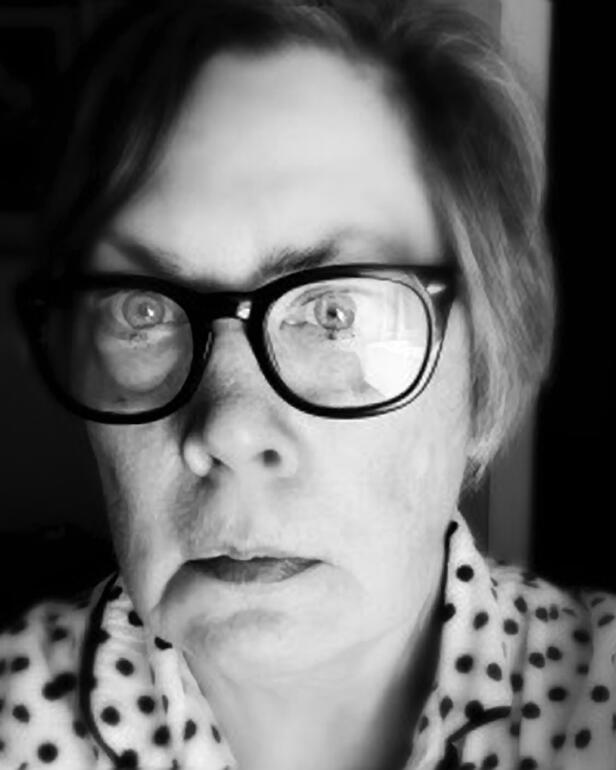
Lisa Haun
When aging rock performers showcase new work in their live shows—often at the expense of the hits that catapulted them to fame—they quickly learn one essential fact: The fans just want to hear the hits.
This analogy fits the career of Lisa Haun on multiple levels. The Philadelphia native has a portfolio filled with more than 50 years of her work. While her recent output is dominated by explorations of the natural world (flora and fauna, as she labels them on her website), it’s her early portrait work that catches the eyes of curators and photo editors.
This analogy fits the career of Lisa Haun on multiple levels. The Philadelphia native has a portfolio filled with more than 50 years of her work. While her recent output is dominated by explorations of the natural world (flora and fauna, as she labels them on her website), it’s her early portrait work that catches the eyes of curators and photo editors.
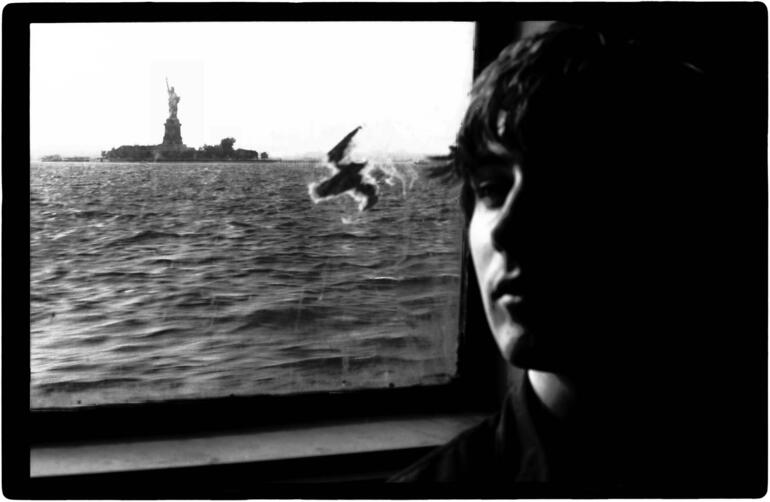
Roddy Frame of Aztec Camera, New York, New York, 1983
From the late 1970s to the mid-‘80s, Haun captured intimate portraits of punk and New Wave artists of the era: Shane MacGowan, Johnny (Rotten) Lydon, Henry Rollins, Bono, The Clash, Husker Du, Echo and the Bunnymen, and others—outcasts and rebels in their day now revered as legendary artists of lasting influence. She branched out and photographed other counterculture icons, like John Waters and an out-of-drag Divine, looking outward with defiance and determination.
Haun’s portraits are distinct from the cliched aggressive poses (taut faces, million-mile stares, tight lips) that characterized most photos from the era. She had admired the glossy, fashion-conscious style of the British music press, such as The Face and New Musical Express, where photographers like Anton Corbijn treated musicians as serious subjects.
Haun’s portraits are distinct from the cliched aggressive poses (taut faces, million-mile stares, tight lips) that characterized most photos from the era. She had admired the glossy, fashion-conscious style of the British music press, such as The Face and New Musical Express, where photographers like Anton Corbijn treated musicians as serious subjects.
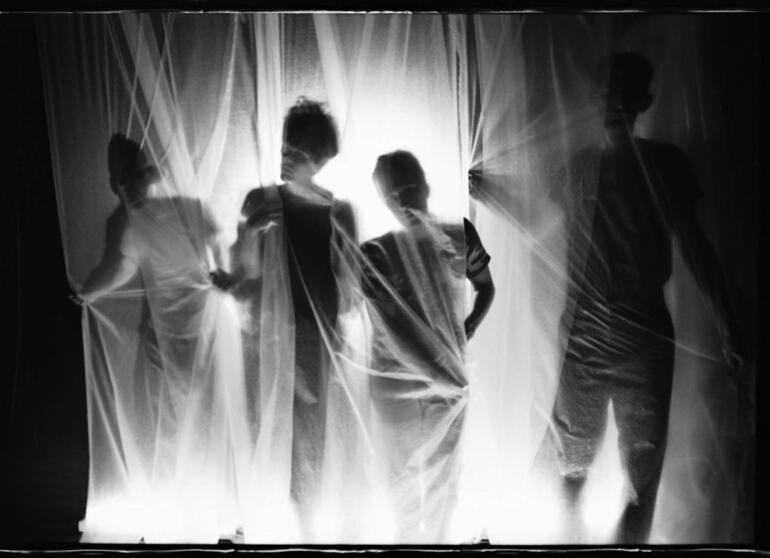
Bunnydrums, Philadelphia, Pennsylvania, 1981
What she didn’t have was access and a budget. She wanted to become the American answer to Pennie Smith, who spent years embedded with The Clash. Instead, Haun was usually allowed only 15 minutes in a conference room during press junkets.
“I learned to get in and get out really fast,” she says. “Get them comfortable, see if I could get them laughing. I would tell them, ‘We’re going to do this quick. It’s going to be painless. Trust me, there’ll be at least one shot where you’ll look good.’”
“I learned to get in and get out really fast,” she says. “Get them comfortable, see if I could get them laughing. I would tell them, ‘We’re going to do this quick. It’s going to be painless. Trust me, there’ll be at least one shot where you’ll look good.’”
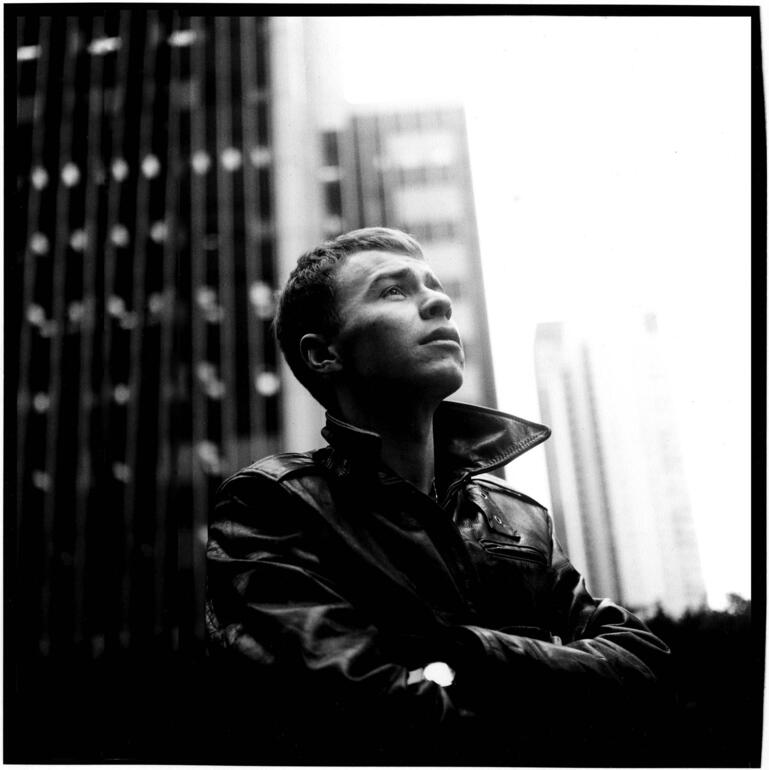
Matt Johnson of The The, New York, New York, 1983
It helped that she loved the bands. One of her favorites was Scottish New Wave artists Aztec Camera. The group’s leader, Roddy Frame, told her he was interested in doing photos around New York and wanted to see the Statue of Liberty. While on the Staten Island ferry to get closer to Lady Liberty, Haun snapped a shot of Frame without noticing what looked like a bird with a broken wing hovering over the water.
“It’s actually just duct tape on the window,” she says. “I photoshopped it out and then put it back in before realizing it just worked. I’ve always loved that photo.”
“It’s actually just duct tape on the window,” she says. “I photoshopped it out and then put it back in before realizing it just worked. I’ve always loved that photo.”
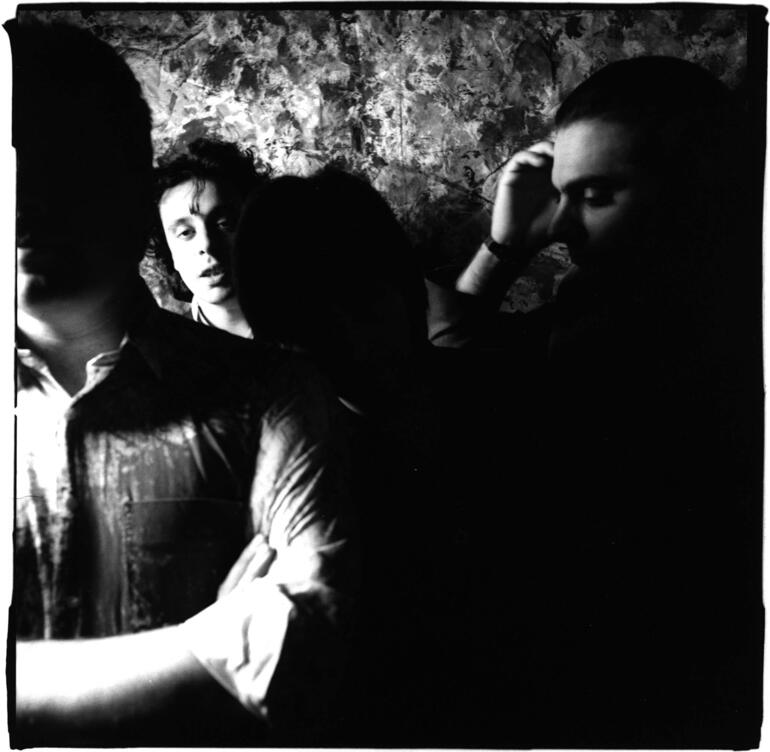
Jules Shear, New York, New York, 1985
Repeat subjects allowed her to go deeper. Former Sex Pistols leader John Lydon, famous for his exaggerated expressions and cartoonish ensembles, was tense in their first session, but by the second he was loose enough for Haun to shoot relaxed, endearing pictures of him on a rooftop, “where he looks like a real person,” she says.
She was able to experiment more with local artists. Philly post-punk group Bunnydrums posed in a sea of curtains, looking like phantom ghouls from an old horror movie trying to break free from a movie screen.
She was able to experiment more with local artists. Philly post-punk group Bunnydrums posed in a sea of curtains, looking like phantom ghouls from an old horror movie trying to break free from a movie screen.
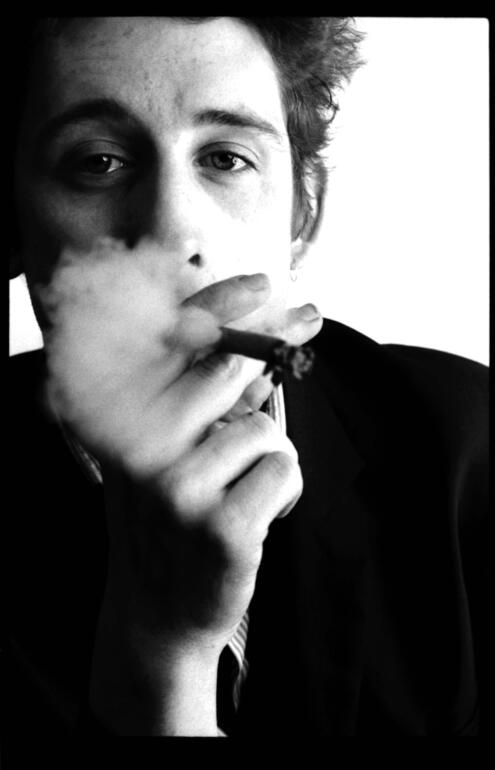
Shane MacGowan, New York, New York, 1986
All the work was done with a 35mm lens and a red filter for black-and-white work. In the mid-‘80s, she bought a Hasselblad, made peace with digital, and shoots primarily with an iPhone today.
She’s no longer on the music beat and finds it difficult in today’s market to get traction for her new work. With gallery shows dwindling in the Philadelphia area, she turned her attention to a New York curator who used the word “decorative” to describe her photos of flowers. “That’s a hard word to hear,” says Haun. “But having been a curator myself, I understood. With my flower photography, some of them think ‘fine art,’ and some of them think ‘postcard.’”
She’s no longer on the music beat and finds it difficult in today’s market to get traction for her new work. With gallery shows dwindling in the Philadelphia area, she turned her attention to a New York curator who used the word “decorative” to describe her photos of flowers. “That’s a hard word to hear,” says Haun. “But having been a curator myself, I understood. With my flower photography, some of them think ‘fine art,’ and some of them think ‘postcard.’”
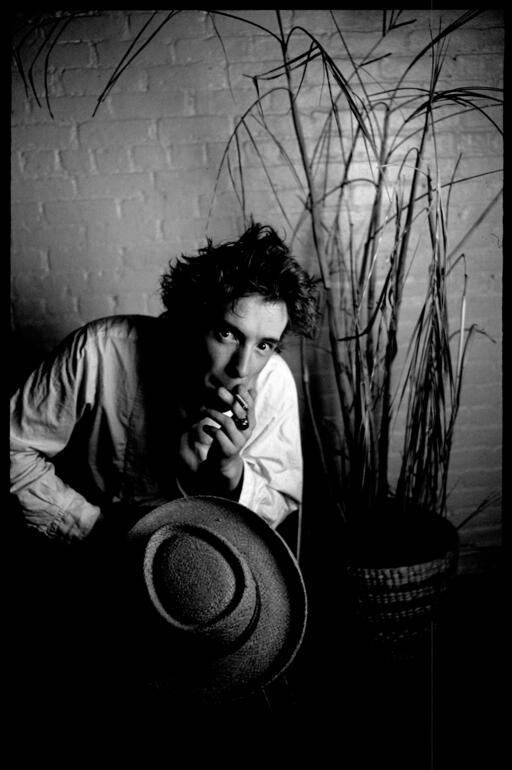
John Lydon, New York, New York, 1983
Haun’s bracing self-appraisal is delivered with the serenity of age-acquired wisdom. Times change and you move on. But she still has her back catalog of hits, and they continue to deliver pleasures. She says the favorite compliment she received about her portraits, gathered from a subject’s spouse, was some version of “that looks just like them.”
“What a gift that was,” she says. “I got them.”
“What a gift that was,” she says. “I got them.”